
Introduction
Smoking meat is an ancient culinary art that transforms ordinary cuts into extraordinary dishes through the perfect combination of time, temperature, smoke, and technique. Whether you’re a backyard cooking enthusiast or simply looking to expand your culinary horizons, this comprehensive guide will walk you through everything you need to know about smoking meat. For a more hands-on learning experience, check out our Mastering the Basics of Smoking Meat course.
Understanding the Basics of Meat Smoking
What is Meat Smoking?
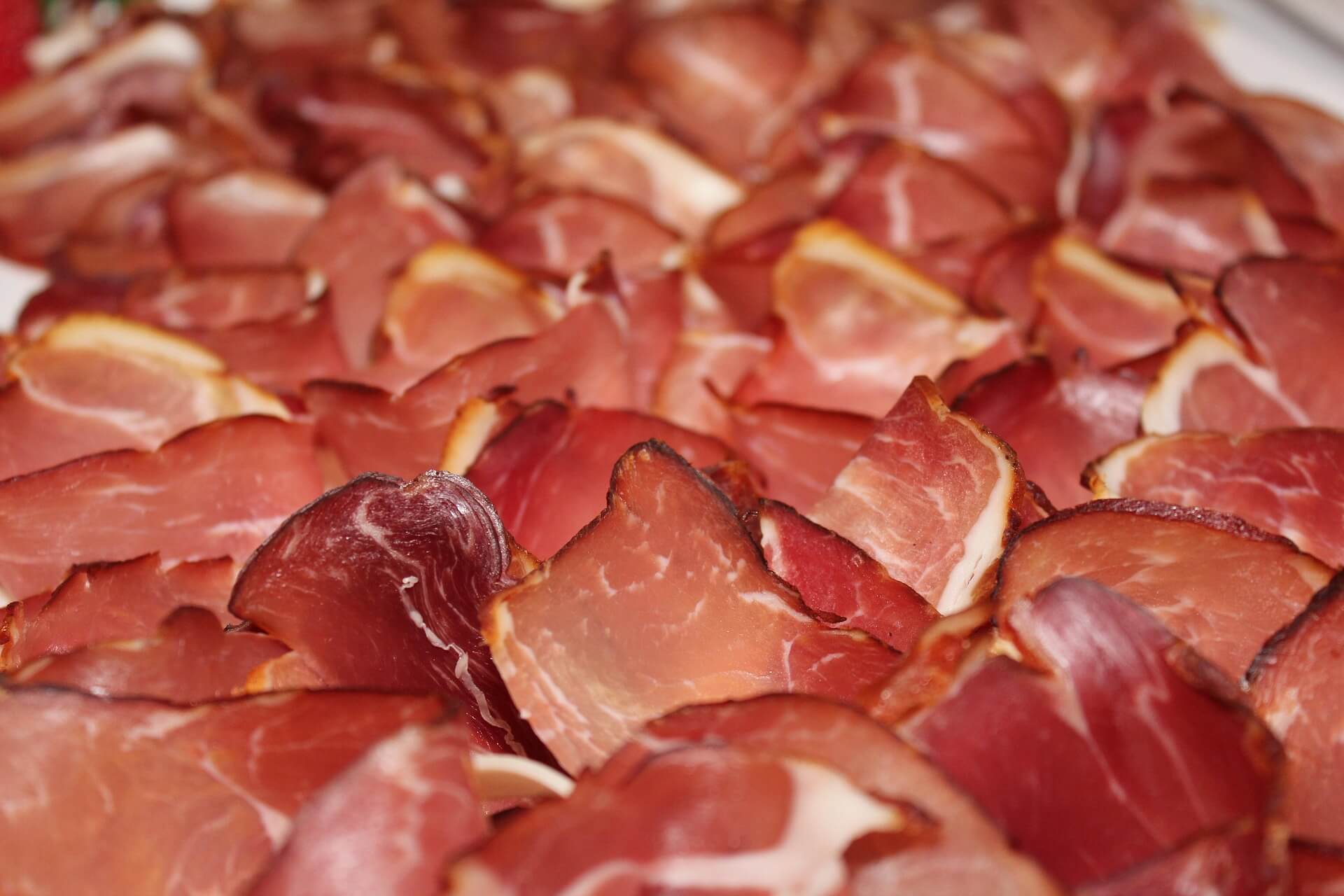
Smoking is a cooking method that involves exposing meat to smoke from burning or smoldering wood while maintaining a consistent low temperature. This process not only cooks the meat but also infuses it with complex flavors and helps preserve it. The magic happens when smoke particles interact with the meat’s surface, creating that characteristic pink smoke ring and developing deep, rich flavors. To understand the technical aspects better, read our article on The Science of Smoking Meat.
The Science Behind Smoking
The smoking process involves several key chemical reactions:
-
Protein denaturation at low temperatures
-
Collagen breakdown into gelatin
-
Maillard reaction for surface browning
-
Smoke particle absorption into the meat
-
Moisture migration and bark formation
Essential Equipment for Beginners
Types of Smokers
-
Electric Smokers: Perfect for beginners due to easy temperature control
-
Charcoal Smokers: Offers traditional smoking experience with more hands-on control
-
Pellet Smokers: Combines convenience with authentic smoke flavor
-
Gas Smokers: Provides consistent temperature with minimal maintenance
Basic Tools You’ll Need
-
Meat thermometer (both instant-read and leave-in probes)
-
Heavy-duty tongs and gloves
-
Aluminum foil and butcher paper
-
Spray bottle for spritzing
-
Drip pans and water pans
-
Chimney starter (for charcoal smokers)

Selecting the Right Meat
Best Cuts for Beginners
For detailed information about the best cuts to start with, check out our comprehensive guide on the Top 10 Meats to Smoke. Here are some top choices:
-
Pork Shoulder: Forgiving and perfect for pulled pork (4-8 lbs / 1.8-3.6 kg)
-
Chicken: Quick to smoke and readily available (3-4 lbs / 1.4-1.8 kg)
-
Beef Chuck Roast: More affordable than brisket but similar results (3-5 lbs / 1.4-2.3 kg)
-
Spare Ribs: Classic choice with consistent results (2-4 lbs / 0.9-1.8 kg)
Meat Preparation
-
Remove excess fat while leaving enough for moisture
-
Apply rubs 1-24 hours before smoking
-
Let meat reach room temperature before smoking (typically 30-60 minutes)
-
Pat dry for better smoke adhesion
Wood Selection Guide
Popular Smoking Woods
-
Oak: Versatile, medium-strong flavor
-
Hickory: Classic choice for pork and beef
-
Apple: Mild and sweet, perfect for poultry
-
Cherry: Light and fruity, good for all meats
-
Maple: Subtle sweetness, great for poultry and pork
Wood Preparation Tips
-
Use properly dried wood
-
Avoid treated or unknown wood sources
-
Soak chips if using them (30 minutes minimum)
-
Mix woods for unique flavor profiles
Temperature Control
Understanding Temperature Zones
-
Smoking zone: 225-250°F (107-121°C)
-
Hot smoking: 250-275°F (121-135°C)
-
Cold smoking: Below 90°F (32°C)
-
Danger zone: 40-140°F (4-60°C) (avoid this range)
Managing Fire and Smoke
-
Maintain thin blue smoke
-
Avoid thick white smoke
-
Control airflow for temperature management
-
Use water pan for humidity control
Step-by-Step Smoking Process
Preparation Phase
-
Clean and prepare smoker
-
Set up temperature monitoring
-
Prepare meat with rub
-
Get wood and tools ready
The Smoking Process
For specific meat cuts, check our detailed guides:
Common Smoking Methods
Low and Slow
-
Traditional method
-
Temperature range: 225-250°F (107-121°C)
-
Best for large cuts
-
Longer cooking times
Hot and Fast
-
Modern approach
-
Temperature range: 275-300°F (135-149°C)
-
Shorter cooking times
-
Good for smaller cuts
Troubleshooting Common Issues
Temperature Problems
-
Fluctuating temperatures
-
Hot spots
-
Cold spots
-
Weather impacts
Smoke Management
-
Too much smoke
-
Not enough smoke
-
Dirty smoke
-
Fire management
Food Safety Guidelines
Temperature Rules
-
Keep meat refrigerated until smoking
-
Smoke at proper temperatures
-
Use clean thermometers
-
Rest meat properly
Storage Guidelines
-
Proper cooling methods
-
Storage temperatures
-
Reheating techniques
-
Shelf life considerations
Health Considerations
For information about health considerations when smoking meat, read our article on Understanding the Risks of Smoking Meat.
Conclusion
Smoking meat is a rewarding journey that combines science, art, and patience. As you begin your smoking adventure, remember that practice makes perfect. Start with forgiving cuts like pork shoulder or chicken, and gradually work your way up to more challenging meats like brisket. For structured learning, consider enrolling in our comprehensive smoking courses. Keep detailed notes of your smoking sessions, learn from each experience, and most importantly, enjoy the process.